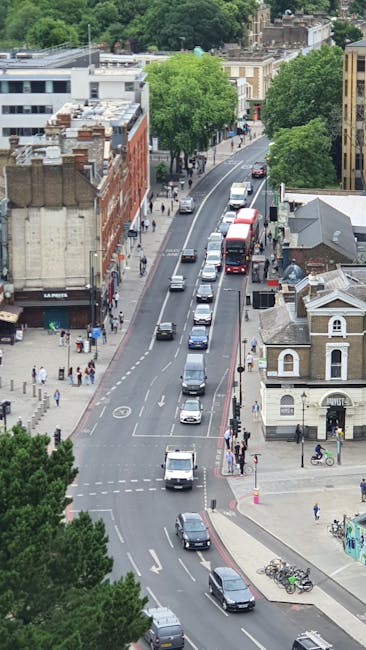
St Johns Wood station man and van guide for tight moves

If you are planning a move near St John's Wood station, the problem usually is not the distance. It is the squeeze. Narrow streets, awkward stairwells, a small lift that seems designed for one shopping bag, and the sort of parking situation that makes a driver sigh before they even switch off the engine. This St Johns Wood station man and van guide for tight moves is here to make that whole process feel a lot less chaotic.
Whether you are moving a studio flat, shifting a few heavy pieces, or trying to time a quick handover between tenants, the right approach matters. In a compact London area like this, small decisions add up fast: vehicle size, loading time, packing order, and how well you plan the route from door to van. Let's face it, a tight move can be perfectly manageable - but only if the job is set up properly from the start.
Below, you will find a practical, human guide to making tight moves work smoothly around St John's Wood station, with real-world tips, common pitfalls, and sensible service options to consider. If you want a broader look at the service type itself, the local man and van service is often the simplest place to start.
Why St Johns Wood station man and van guide for tight moves Matters
Moves around stations are different from standard residential removals. Near St John's Wood station, you often have a few things working against you at once: limited stopping space, faster foot traffic, multi-storey buildings, and a neighbourhood where you may need to be out of the way quickly. That makes a compact, flexible move far more practical than sending in a large vehicle and hoping for the best.
The phrase "tight move" is not just about the physical space inside a flat. It also covers the logistics outside the building. Can a van stop close enough to avoid long carries? Is there room to load without blocking neighbours or traffic? Will the items fit through the hallway without a wrestling match? These are not minor details. They are the entire job, really.
In our experience, the moves that go smoothly near busy London stations are the ones where people plan for constraints instead of fighting them. That might mean using a smaller removal van, splitting the move into two short trips, or booking help for the heaviest pieces only. It sounds simple, but it saves a lot of stress.
For local customers who want a service built around this kind of access challenge, the broader removal van option can be especially useful where a full-sized lorry would be overkill. If you are moving a home rather than just a few items, the home moves service may be the better fit.
How St Johns Wood station man and van guide for tight moves Works
A man and van move is usually straightforward: one or two movers arrive with a suitable van, help load your items, transport them, and unload at the destination. The value comes from the flexibility. You are not trying to fit your move into a one-size-fits-all removal model. You are matching the vehicle, crew, and timing to a compact job.
For tight moves near St John's Wood station, the process often looks like this:
- Quick assessment - You explain what needs moving, where from, where to, and any access issues.
- Vehicle match - A van size is chosen that can handle the load without making access worse.
- Parking and loading plan - The crew works out the shortest practical carry route from property to vehicle.
- Packing and protection - Fragile or awkward items are wrapped, boxed, or padded before movement.
- Loading in the right order - Heavy and bulky pieces go first, with lighter items filling the gaps.
- Transport and unloading - Items are delivered and placed where they are needed, not just dumped at the door.
That last point matters more than people expect. If you are moving into a flat with stairs, a narrow landing, or a shared entrance, unloading in the right sequence can save a surprising amount of time. No one wants a sofa blocking the hallway while everyone stands around guessing what to do next.
When the move includes boxes and fragile items, it helps to combine the van service with proper packing support. The local packing and boxes service can make tight moves less fragile, less rushed, and frankly less messy.
Key Benefits and Practical Advantages
The main benefit of a man and van service for tight moves is control. You get a smaller, more agile setup that can be adapted to the property, the road layout, and the size of the job. That is ideal in an area where a big vehicle can create more problems than it solves.
- Better access: Smaller vans are easier to position on narrow roads and in tighter loading spaces.
- Faster loading: Shorter carry distances usually mean quicker turnaround.
- More flexible booking: Good for same-day changes, partial moves, or awkward time windows.
- Lower complexity: Ideal when you do not need a full removal team and large truck.
- Less disruption: A compact setup can be easier on neighbours, building managers, and shared entrances.
There is also a psychological benefit, if we are being honest. A small, organised move feels manageable. You can see the plan. You can breathe a bit. That matters when you are balancing keys, deposit deadlines, and a box of kitchen bits that somehow never fits neatly anywhere.
If your move is more substantial but still access-sensitive, it may be worth comparing with a broader removal services approach or even a full removals package, especially if furniture disassembly or multiple stops are involved.
Who This Is For and When It Makes Sense
This kind of service is not just for people moving one box and a chair. It is for anyone whose move is small enough to benefit from flexibility, but tricky enough to need professional handling. That includes a lot of London life, to be fair.
It makes sense if you are:
- moving in or out of a flat near St John's Wood station
- relocating between furnished or partially furnished properties
- moving a few bulky pieces, like a wardrobe, desk, or sofa
- needing help with a same-day or short-notice move
- trying to avoid hiring a larger vehicle than the job needs
- handling a student move, short-let turnover, or partial house move
It is also a sensible choice for people moving on a budget who still want some help at the loading and unloading stage. If that sounds like you, the student removals page is worth a look for smaller, practical moves. For those with very limited time, same-day removals can sometimes be the difference between a smooth handover and a very long evening.
On the other hand, if you have a full house, lots of breakables, or multiple large items, you may be better served by a more complete service such as flat removals or house removals. The right choice depends on the load, not the label.
Step-by-Step Guidance
Here is the practical version. Not theory. Not fluff. Just the sequence that usually works best for tight moves around a station area.
1. Measure the awkward bits first
Do not start by measuring the lounge and stopping there. Measure the hallway, stair width, lift door, turning points, and any tight corners. If a sofa clears the front door but jams on the bend, that is the part that counts.
2. Sort items by difficulty
Put heavy, fragile, and awkward items on a short list. This helps you decide whether they need disassembly, extra wrapping, or two people instead of one. A mattress is simple. A glass table with one loose leg? Less simple.
3. Choose the right van size
A van that is too large can create parking stress and slow the whole move. A van that is too small creates extra trips. For tight jobs, balance is everything. You want enough capacity, but not at the cost of access.
4. Pack for quick handling
Use uniform boxes where possible. Label them by room, and keep essentials in a separate bag you can reach quickly. That little bag with chargers, kettle bits, medications, and keys often saves the day. It always does.
5. Plan loading order
Put the items you need first at the destination near the back or top where they can be accessed easily. Keep heavier items stable and use soft goods to fill voids. This protects the load and speeds up unloading.
6. Build in a timing buffer
Station areas can be busy at odd moments. Even if your move is short, give yourself breathing room for parking, lift delays, and the inevitable one thing that takes longer than expected. Because there is always one thing.
7. Confirm arrival details early
If you are moving into a managed building, tell the building contact when the van is expected, what items are coming, and whether any booking-in rules apply. You do not want a clean plan ruined by a missing access code or a grumpy concierge at the front desk.
If packing support would make this easier, the local packing and unpacking services option can be a good fit for people who want fewer loose ends on moving day.
Expert Tips for Better Results
Small moves become easier when you think like a mover, not just a customer. That sounds a bit grand, but it is true. A few practical habits make a huge difference.
- Use soft items as protection: Blankets, towels, and cushions can protect corners and fill gaps.
- Take photos before dismantling: Especially for beds, desks, and shelving. Future you will be grateful.
- Keep hardware together: Put screws and fittings into labelled bags, taped to the furniture piece if needed.
- Protect floors and walls: In tight hallways, a small scrape happens quickly if nobody is paying attention.
- Be realistic about lift access: If a lift is tiny or unreliable, plan as if it may not be available.
A useful rule of thumb: if an item is expensive, fragile, heavy, or awkward, assume it will take longer than you think. That is not pessimism. It is professionalism.
For furniture that is too large for a standard carry but still not part of a full-house move, the furniture removals and furniture pick up services can be better suited than trying to force everything into one generic booking.
Common Mistakes to Avoid
The mistakes here are usually not dramatic. They are small, annoying, and expensive in time. The kind that make everybody say, "Well, we should have thought of that."
- Booking a van that is too big: It sounds efficient until you cannot park it close enough.
- Underestimating packing time: Loose items always take longer than expected.
- Ignoring access restrictions: Controlled entry, timed loading bays, and narrow staircases matter.
- Not separating essentials: Important documents and daily items should never vanish into the van load.
- Leaving dismantling until the last minute: Beds and wardrobes do not politely solve themselves.
- Skipping measurements: A couple of minutes with a tape measure can prevent a lot of swearing later on.
Another common one is thinking a tight move does not need proper insurance or safety checks because it is "only a small job." Small jobs can still cause damage, and damage is damage whether the item is a bookshelf or a sofa. If you want peace of mind, look at the company's insurance and safety information before you book.
Tools, Resources and Recommendations
You do not need a mountain of specialist gear for a compact move. In most cases, a few simple tools are enough to make the process much smoother.
- Tape measure: For doors, lifts, hallways, and furniture dimensions.
- Basic toolkit: Screwdrivers, Allen keys, and a small spanner set for dismantling.
- Labels and marker pens: Clear room labels save time when unloading.
- Protective wraps or blankets: Ideal for corners, mirrors, and wooden furniture.
- Sturdy boxes: Better than overfilled bags that split halfway down the stairs.
- Phone flashlight: Handy in dim hallways or behind furniture. More useful than people admit.
For broader planning, useful service categories include packing and boxes, storage for items you do not want immediately, and man with a van if you are comparing wording and service scope. If your move is business-related, the local commercial moves and office removals pages may also help clarify what is possible.
Law, Compliance, Standards, or Best Practice
For a move like this, the main compliance concerns are usually practical rather than dramatic. Still, they matter. A good provider should work with appropriate care around safe loading, secure transport, and clear terms for the job. In the UK, customers should expect a business to be transparent about what is included, how goods are handled, and what happens if access turns out to be different from what was described.
Best practice usually includes the following:
- clear written or recorded job details
- appropriate handling of fragile and heavy items
- reasonable care when moving through communal areas
- transparent payment terms
- honest guidance if a van size or service type is not suitable
If you are comparing providers, it can help to review trust pages such as terms and conditions, payment and security, and the company's wider approach to health and safety. You do not need a law degree to spot a professional setup. Usually, you just need clarity and a bit of common sense.
Options, Methods, or Comparison Table
If you are not sure whether a man and van booking is the right fit, compare it with the other common choices. The best option depends on the size of the move, access conditions, and how much help you want on the day.
| Option | Best for | Pros | Trade-offs |
|---|---|---|---|
| Man and van | Small to medium jobs, tight access, short-notice moves | Flexible, efficient, good for awkward streets and flats | Limited capacity compared with larger removal vehicles |
| Removal van | Compact home moves or furniture transport | Good balance between size and manoeuvrability | May still be too small for full-house loads |
| Full removals | Larger homes, full furniture loads, more complex relocations | More support, broader capacity, better for larger inventories | Usually less nimble in tight access areas |
| Storage-first move | When you need to move out before you can move in | Creates breathing room and reduces same-day pressure | Requires an extra step and careful coordination |
In a station area, the flexible option often wins. But not always. A couple of large wardrobes and a piano will quickly change the picture. Speaking of pianos, if your move includes one, it is worth looking at piano removals rather than improvising on the day. That would be, well, brave.
Case Study or Real-World Example
A typical tight move near St John's Wood station might look like this: a renter is leaving a one-bedroom flat on a busy weekday morning. There is a lift, but it is small and the hallway turns sharply near the front door. The items include a bed frame, mattress, two side tables, a desk, six boxes, and a couple of fragile lamps.
Instead of booking a large vehicle, the move is handled with a compact van and two movers. The bed frame is dismantled the night before. Boxes are labelled by room. Fragile items are wrapped in blankets and placed last, so they come off first at the new address. The van is positioned as close as possible to the entrance, which keeps the carry short and avoids clogging the pavement.
The move finishes in one trip, with no frantic repacking on the street and no awkward last-minute shuffling in the hallway. Nothing magical happened. It was just a sensible setup. That is usually the secret, honestly.
For a move with more furniture but similar access pressure, a local team offering house removalists or man with van support can be a good middle ground, especially if you want help without paying for more capacity than you need.
Practical Checklist
Use this before the moving day arrives. It is simple, but it covers the stuff that tends to trip people up.
- Measure doorways, hallways, stairs, and lift access points.
- List all items that need dismantling or specialist handling.
- Confirm your moving date, arrival time, and access arrangements.
- Check whether parking or loading space needs planning in advance.
- Pack essentials separately for easy access at the new place.
- Label boxes clearly by room and fragility.
- Keep screws, fittings, and small parts in one sealed bag per item.
- Protect mirrors, screens, and wooden furniture with wraps or blankets.
- Make sure someone is available at both ends of the move.
- Review the provider's safety, insurance, and payment information.
- If needed, arrange storage before the moving day, not after it.
If you are still deciding how much help you need, a quick look at the wider removal companies and removal truck hire options can help you compare service levels without rushing into the wrong setup.
Conclusion
A tight move near St John's Wood station does not need to be stressful. It needs to be planned with the space you actually have, not the space you wish you had. The right man and van setup can make a compact London move feel calm, controlled, and surprisingly efficient. That is especially true when you match vehicle size, packing method, and access planning to the realities of the building and the street.
Take the time to measure, sort, pack, and choose a service that suits the job. If you do that, the move becomes far more predictable. And in London, predictability is worth a lot.
Get a free quote today and see how much you can save.
And if you are still staring at a pile of boxes at 9pm, don't worry too much. Nearly every move has that moment. The good news is, it passes.
Frequently Asked Questions
What is a man and van service for tight moves near St Johns Wood station?
It is a flexible moving service designed for small to medium jobs where access is tricky. Near the station, that usually means short carry distances, compact vehicles, and careful planning for parking and loading.
Is a man and van cheaper than full removals?
Often, yes, for smaller jobs. It usually costs less because the vehicle and crew size are smaller. That said, the final price depends on the load, time, access, and whether any extra help is needed.
How do I know if my move is too big for a man and van?
If you have a full household of furniture, lots of fragile items, or several large wardrobes, you may be better off with a more complete removals service. A quick item list usually makes the answer clear.
Can a man and van handle stairs and no-lift properties?
Yes, in many cases. The key is to tell the provider in advance so they can allocate enough time and enough people. Tight stairs are manageable, but they should not be a surprise.
Do I need to pack everything before the van arrives?
Ideally, yes. Loose items slow everything down and increase the risk of damage. If you need help with packing, a packing service can take a lot of pressure off the day.
What if I need to move at short notice?
Same-day or short-notice bookings may be possible, depending on availability. For urgent situations, it is worth asking early rather than assuming it is impossible.
Can I move just one or two items near St Johns Wood station?
Absolutely. That is one of the strengths of a man and van setup. It works well for furniture pick-ups, single bulky items, and partial moves that do not justify a larger vehicle.
How should I prepare for parking near the station?
Check whether the van can stop close enough for loading, and think about any restrictions or busy periods. The shorter the carry from property to vehicle, the easier the move will be.
What should I ask before booking a mover?
Ask about vehicle size, access assumptions, loading help, insurance, payment terms, and what happens if the job takes longer than expected. Clear answers are a good sign.
Is storage worth considering for a tight move?
Yes, especially if your move-out and move-in dates do not line up neatly. Storage can reduce pressure and stop you from forcing everything into one rushed day.
Can I use a man and van for office or business items?
Yes. Small commercial jobs, equipment transfers, and partial office relocations can fit this format very well, provided the item list and access details are shared in advance.
What is the biggest mistake people make with tight moves?
Underestimating access. People often focus on the furniture itself and forget the stairs, corners, parking, and loading route. In tight moves, access is half the job, sometimes more.